01Hood Installation
New hoods, ducted to the roof.
A brand-new hood over your cook line, ducted all the way to the roof, with a fire suppression system on every hood we install. Swamp cooler installation is available if you want the kitchen cooler, too.
- Service
- 01 / 05
- System coverage
- Hood · Ductwork · Exhaust fan · Suppression tank & CO2 cartridge · Suppression nozzles · Swamp cooler (optional)
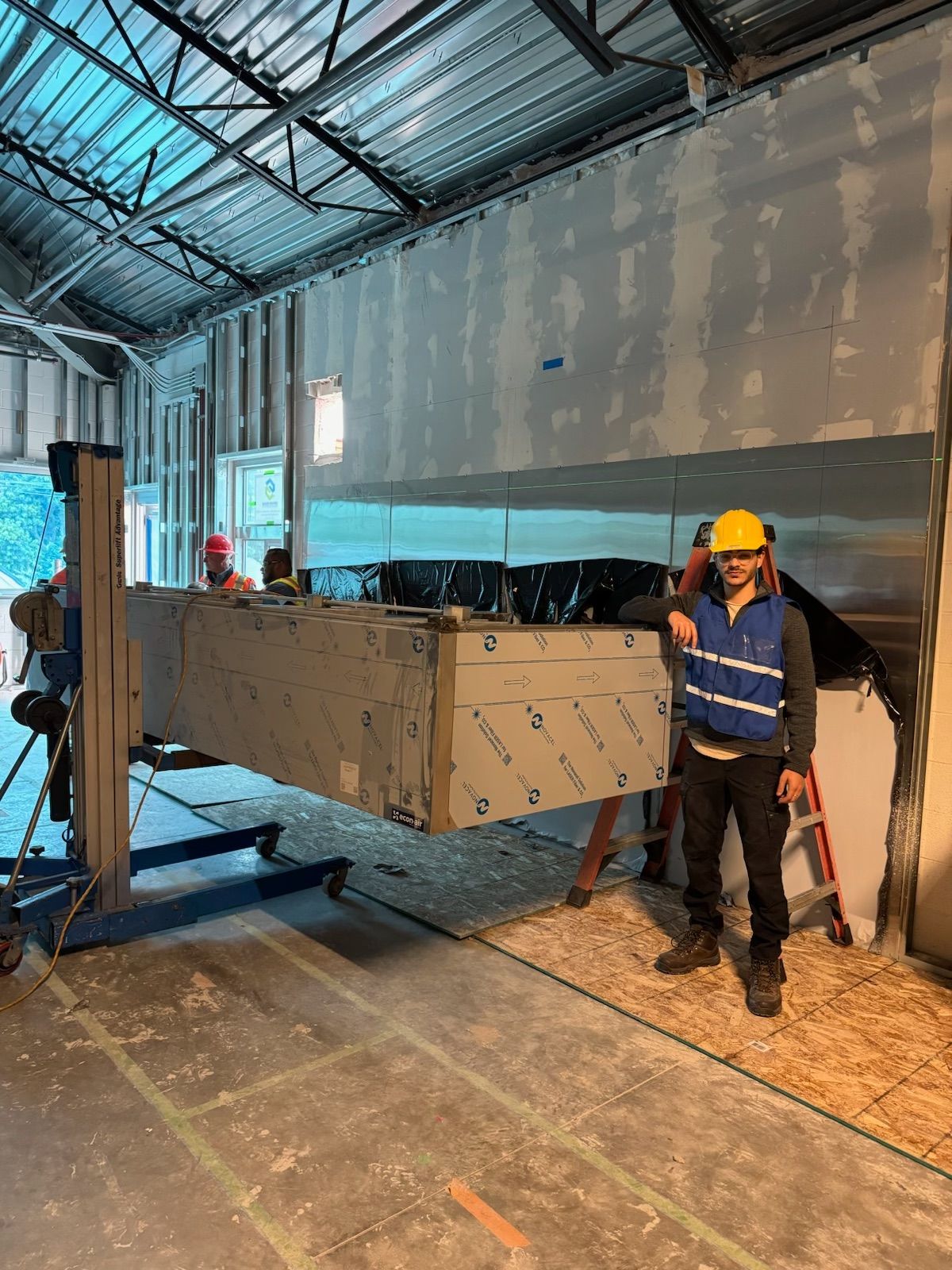
Fig. 01 — New hood, still in protective film, staged on a material lift during a build-out.
01.1Overview
From the cook line to the roof, in one job.
A new hood is more than the stainless you see over the line. It has to be ducted all the way to the roof so grease-laden air and heat leave the building, and it needs a fire suppression system over the cooking equipment. We install all of it as one job, so the pieces fit together and the kitchen isn't waiting on a second crew.
Every hood we install includes a suppression system: piping and nozzles over the appliances, the detection line with its fusible links, and the tank with its control head. It's a required part of a commercial hood, so it's part of the installation from the start, not an add-on.
If the kitchen runs hot, we can also install a swamp cooler to bring cooler air in for the crew. Requirements vary with your equipment, your building and your local authorities, so we work through what the job needs with you and your contractor from the first visit.
System coverage
What hood installation covers in your kitchen.
- HoodCovered
- DuctworkCovered
- Exhaust fanCovered
- Suppression tank & CO2 cartridgeCovered
- Suppression nozzlesCovered
- Swamp coolerOptional
Highlighted in red on the drawing. The rest of the system is shown for context.
01.2Common problems
When it's time for a new hood
Most installation calls start with one of these.
- P–01
Opening a new kitchen
A new restaurant, commissary or ghost kitchen needs a hood over the line, ducted to the roof, with suppression in place before it opens.
- P–02
Remodeling or changing the menu
Adding a fryer, a char-broiler or a wok line changes how much heat and grease the hood has to handle. The hood you have may no longer fit the line.
- P–03
An old or damaged hood
Corroded panels, failed seams and grease leaking at the joints are signs a hood is near the end of its service life.
- P–04
Smoke the hood can't keep up with
If smoke and heat still roll past the hood after cleaning and fan repairs, the hood itself may be undersized for the line.
- P–05
A kitchen that runs hot
A hot line wears on the crew. A swamp cooler installed with the new hood brings cooler air into the kitchen.
01.3What's included
What installation covers
A complete hood system, installed as one job.
- 01.01
Site visit
We look at the cook line, the equipment going under the hood, the building and the route to the roof.
- 01.02
A brand-new hood
A new hood set and secured over the cook line, sized to the equipment underneath.
- 01.03
Ductwork to the roof
Heavy-gauge steel duct run from the hood all the way to the roof.
- 01.04
Exhaust fan
The rooftop exhaust fan mounted and connected to the duct.
- 01.05
Fire suppression system
Every hood we install includes a suppression system, with nozzles positioned over the cooking equipment.
- 01.06
Swamp cooler (optional)
Swamp cooler installation if you want added cooling in the kitchen.
- 01.07
Start-up and testing
We run the finished system and check it before the kitchen goes into service.
01.4Why it matters
Why it matters
Hood, duct, suppression.
- 01
One job, one crew
Hood, duct, exhaust fan and suppression installed together, so there's one team to call.
- 02
Suppression from day one
The suppression system goes in with the hood, so it's in place before the first service.
- 03
A hood that fits the line
A new hood matched to the equipment under it captures smoke and heat without the fan working harder than it has to.
- 04
A cooler kitchen, if you want it
Add a swamp cooler to the installation and the crew gets cooler air on the line.
01.5Process
How an installation runs
From the first walk-through to the first service.
Step 01
Site visit
We meet on site, look at the kitchen, the equipment and the roof, and talk through scope and schedule.
Step 02
Plan and estimate
We lay out the hood, the duct route to the roof and the suppression system, and put together the scope of work with an estimate.
Step 03
Coordination
We line up with your general contractor and the other trades so the hood goes in at the right point in the build.
Step 04
Installation
Our crew sets the hood, runs the duct to the roof, connects the exhaust fan and installs the suppression system, plus the swamp cooler if you've chosen one.
Step 05
Testing and handover
We run the system and check it, then walk you through it before the kitchen goes live.
01.6Field record
From the job site.
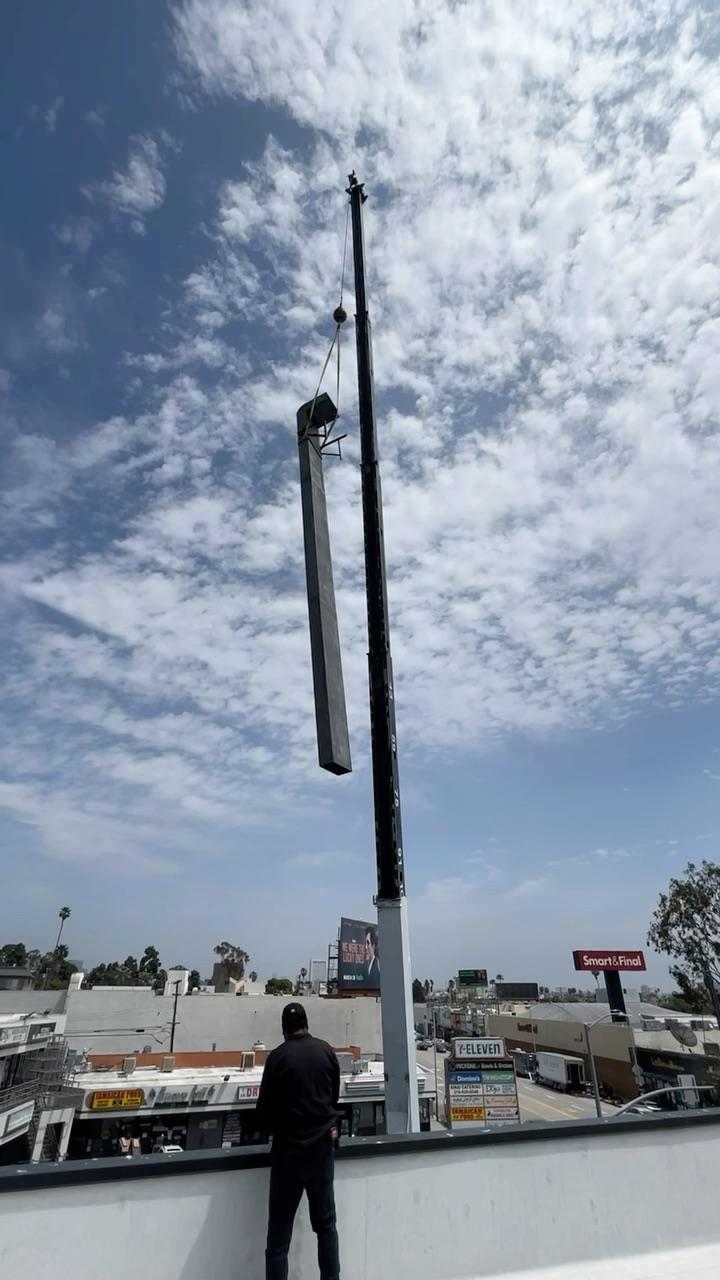
Photos from our job sites: a duct run laid out before it goes up, a wrapped duct section, and a hood in place during a restaurant renovation.
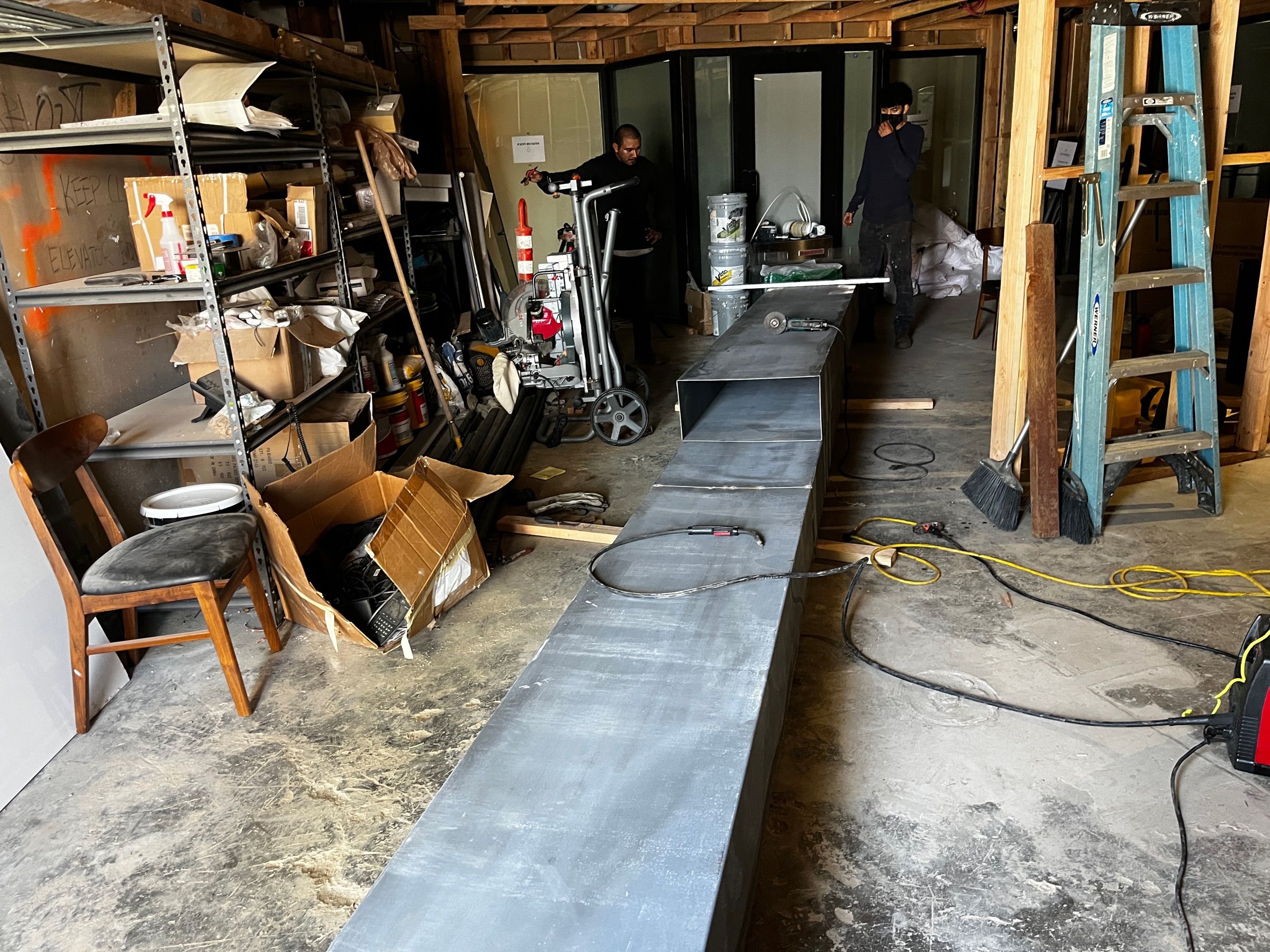
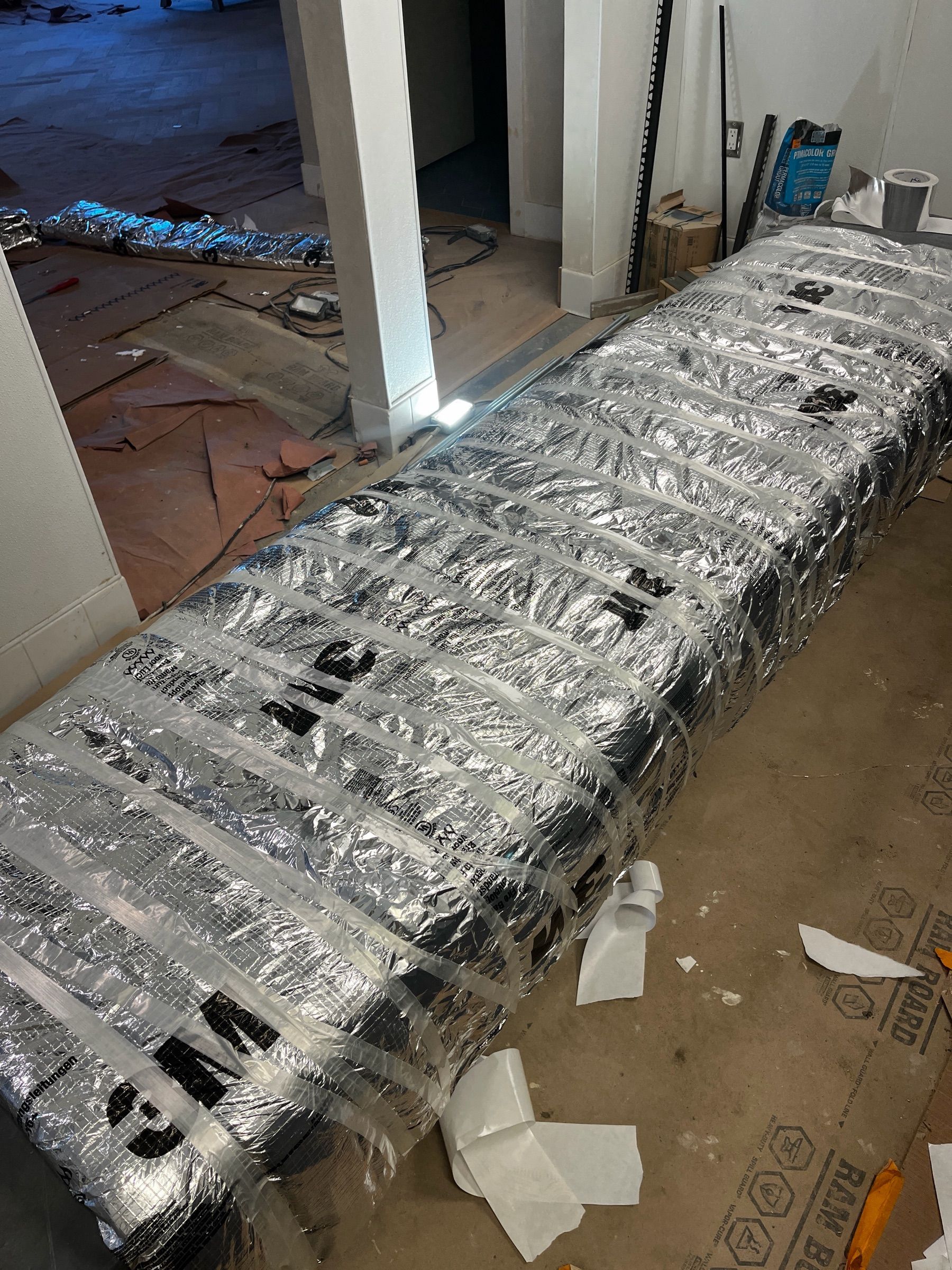
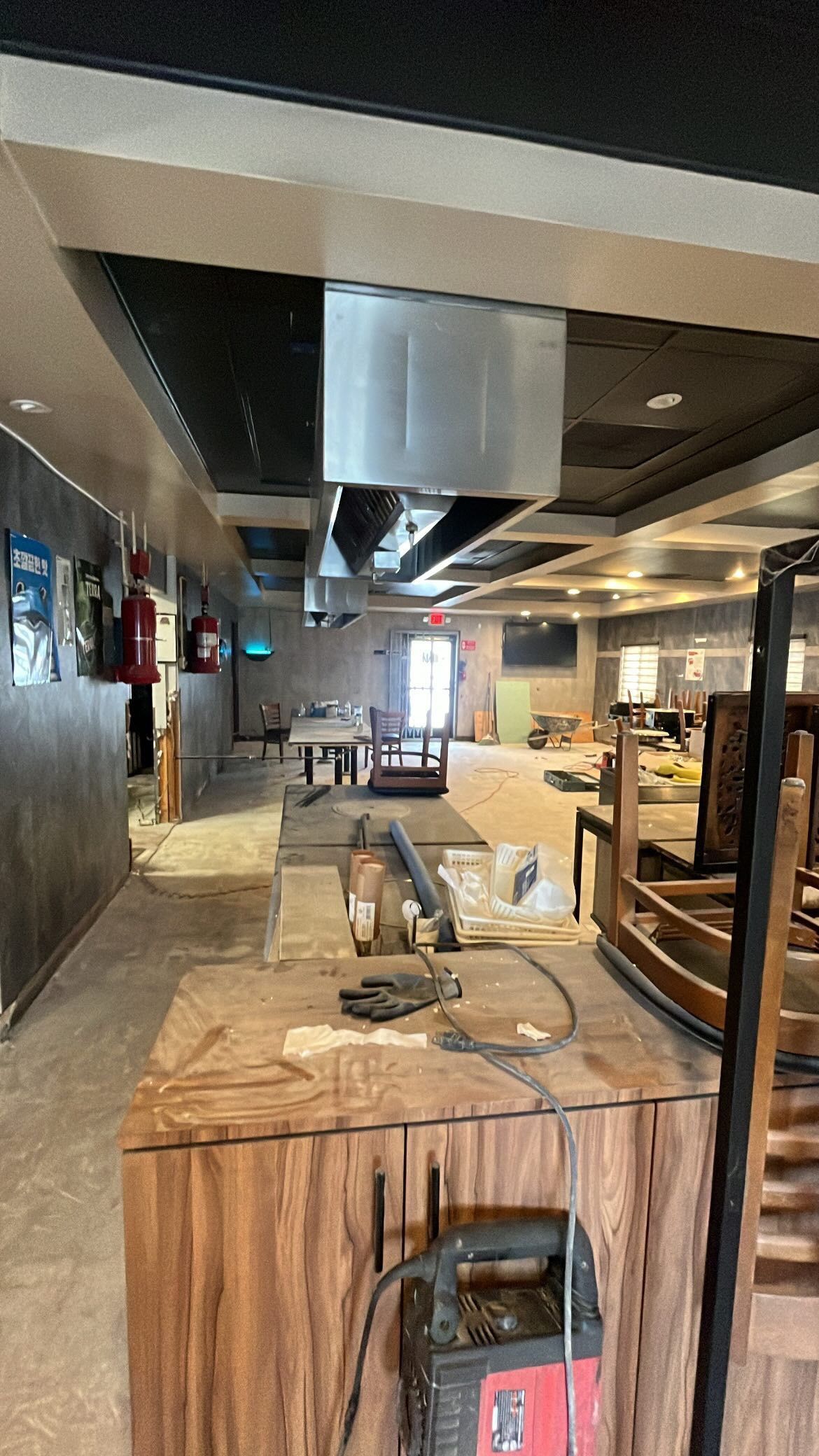
Every installation starts with a walk-through of the kitchen and the roof.
01.7Questions
Installation questions.
Straight answers to what owners and managers ask us most. Don't see yours? Call (818) 457-7828.
Yes. Every hood we install includes a suppression system. It's a required part of a commercial kitchen hood, so it's part of the installation from the start.
Related services
Often paired with installation.
03 — Suppression
Fire Suppression Service
The regular suppression service visit: fusible links and the CO2 cartridge changed out, nozzles cleared of grease, new extinguisher tags.
View service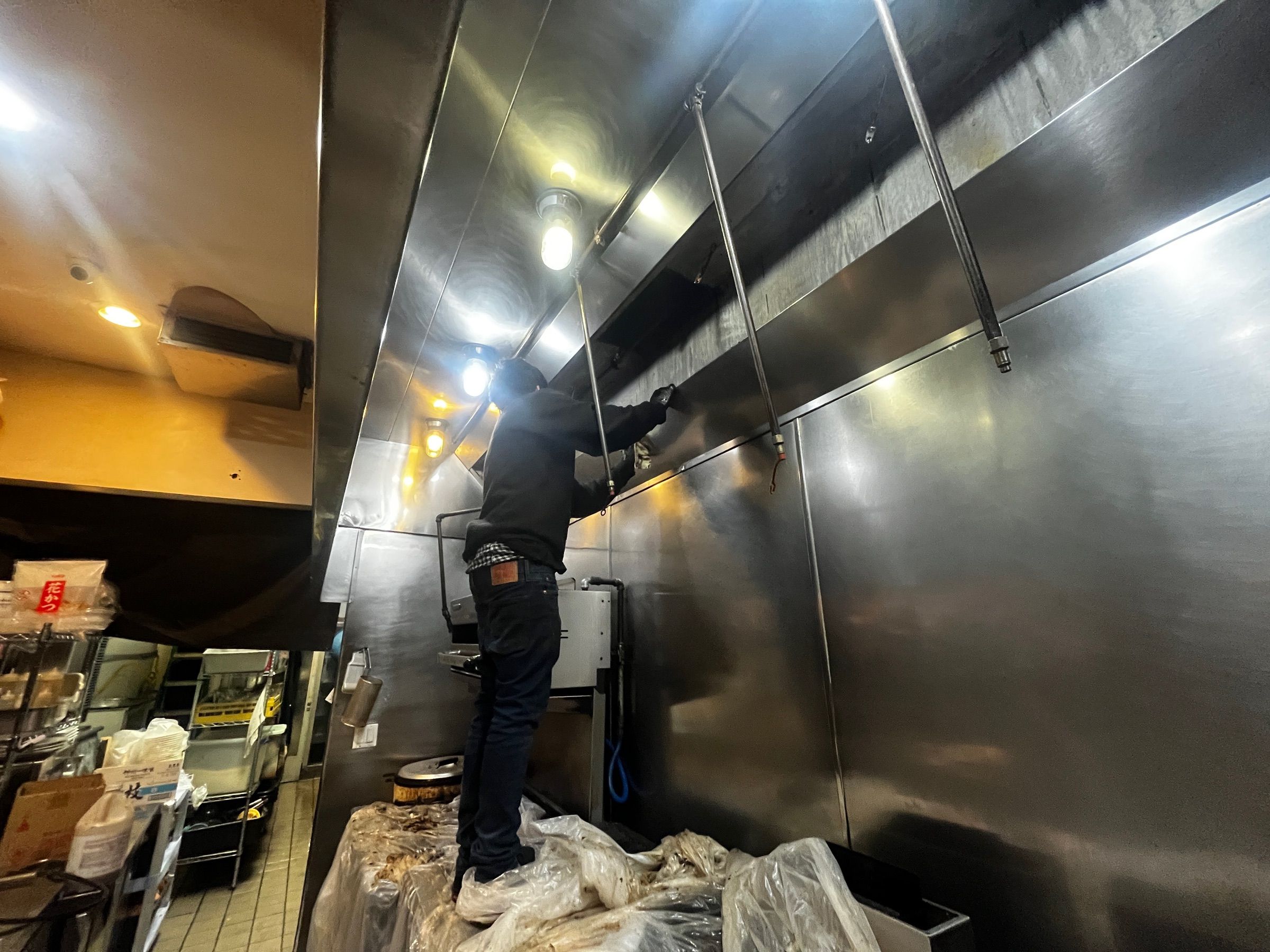
02 — Cleaning
Hood Cleaning
The entire hood cleaned top to bottom, all the grease around the exhaust fans, and the backsplash behind the line.
View service
Talk to the team
Planning aNew Kitchen?
Tell us about the project and the schedule. We'll set up a site visit and talk through the hood, the duct run to the roof and the suppression system.